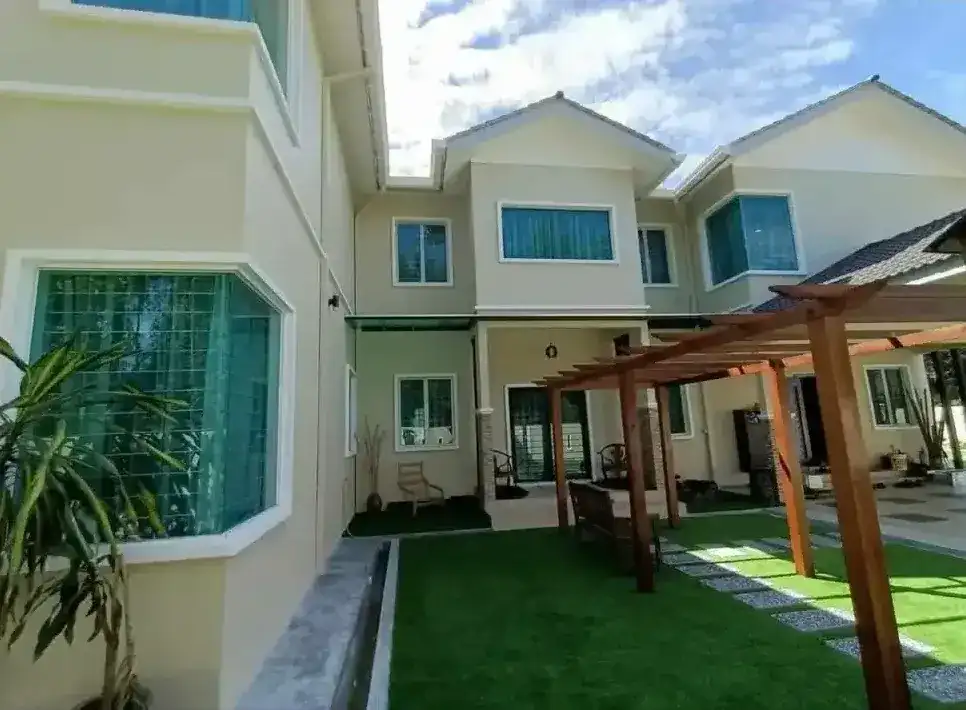
LPPSA's RM1 Million Limit 2026: What It Means for Building a House
The LPPSA financing limit rises to RM1 million: 4% on the first RM750,000, 4.5% on the rest. Instalment examples, the income you need, and when it starts.
Share on WhatsApp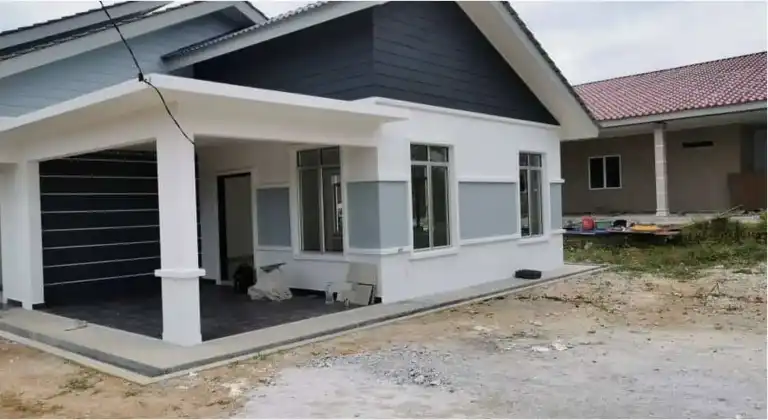
LPPSA has announced that the housing financing limit for civil servants is rising from RM750,000 to RM1,000,000. For anyone planning to build on their own land, this is the biggest change since the fixed 4% rate: a house that used to be too large for LPPSA can now be financed in full.
But there are two things many people miss. First, the portion above RM750,000 is not charged 4%, but 4.5%. Second, applications under the new limit are only expected to open in Q4 2026. This article explains both, with real figures.
Want your own figures? Check your LPPSA eligibility. Our tool already uses the RM1 million limit and the two-rate structure, and shows every assumption it makes.
What actually changed
According to LPPSA’s official announcement:
- Maximum financing limit: RM1,000,000 (previously RM750,000).
- Rate on the first RM750,000: stays at 4.00% a year.
- Rate on any balance above RM750,000: 4.50% a year.
- When it starts: applications are expected to open in Q4 2026.
In other words, your financing is split into two portions. LPPSA’s own example: RM800,000 of financing is calculated as RM750,000 at 4% plus RM50,000 at 4.5%. You are not charged 4.5% on the whole amount, only on the part above RM750,000.
What the monthly instalment really is
We worked out the instalment for four financing amounts over 30 years, using the two portions above. The last column shows the extra compared with charging the whole amount at 4%, which is what the 4.5% rate actually costs you.
| Financing | Monthly instalment (30 years) | If all at 4% | Extra a month |
|---|---|---|---|
| RM750,000 | RM3,581 | RM3,581 | RM0 |
| RM800,000 | RM3,834 | RM3,819 | RM15 |
| RM900,000 | RM4,341 | RM4,297 | RM44 |
| RM1,000,000 | RM4,847 | RM4,774 | RM73 |
The 4.5% rate sounds large, but its effect is small because it only touches the top portion. At the full RM1 million limit, the extra is RM73 a month.
How much income you need
The new limit only helps if your income can carry the instalment. The LPPSA rule that caps people most often is the instalment cap of 60% of net income for a first financing. Net income here means basic salary plus fixed allowances.
With no other commitments and a 30-year tenure:
- For RM750,000 of financing you need a net income of at least RM5,968 a month.
- For the full RM1,000,000 you need at least RM8,079 a month.
If you have a car or personal loan, these figures go up, because that instalment is deducted first. And if you are older, the tenure is shorter (an LPPSA tenure ends at retirement age), so the instalment for the same amount is larger.
Example: a 30-year-old teacher
A teacher with a basic salary of RM5,800 and fixed allowances of RM1,200, no other commitments, applying for a first financing:
Net income                 RM5,800 + RM1,200     = RM7,000
60% instalment cap         RM7,000 × 60%         = RM4,200 a month
Tenure                     60 − 30               = 30 years
Eligibility (rounded down)                       = RM872,000
Under the old limit, this eligibility was cut to RM750,000, even though the income could carry more. Under the new limit, the teacher qualifies for RM872,000, which is RM122,000 more.
Notice two things. Eligibility is rounded down to the nearest RM1,000 and never up, so you never plan around a figure that does not exist. And what caps this teacher is the 60% instalment rule, not the RM1 million ceiling. For most people, income is the limit, not LPPSA’s ceiling.
Who gains most
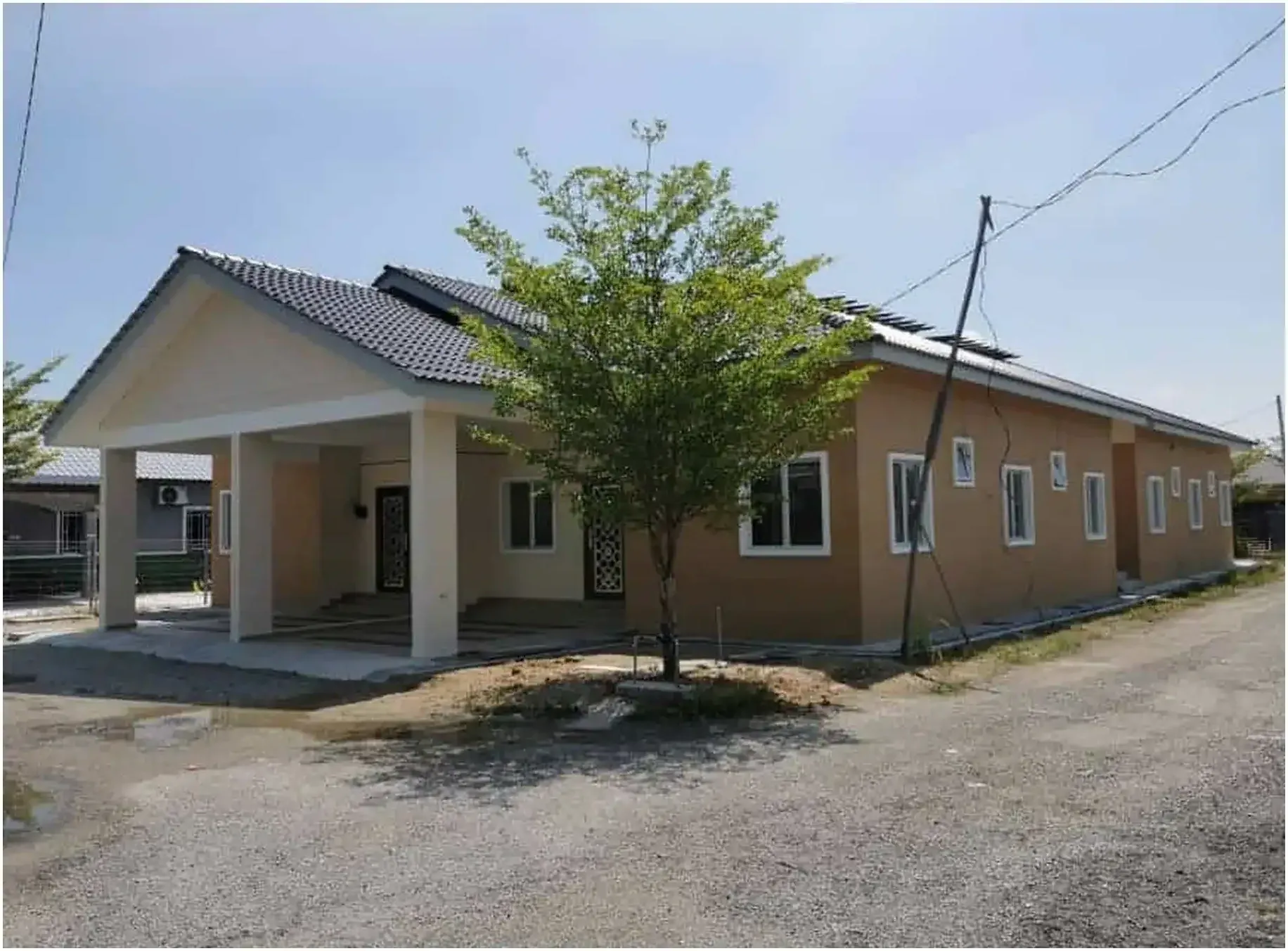
Who gains: civil servants with a net income above roughly RM6,000 who want a larger house, and families planning a house that costs more than RM750,000.
Who sees little change: if your income limits your eligibility below RM750,000, the new limit changes nothing for you. Your rate stays at 4% throughout, and your eligibility figure is the same as before.
In our catalogue, two two-storey designs fall in this new band: RHQ-D1-04 (RM851,901) and RHQ-D1-09 (RM856,944). Both used to exceed the LPPSA limit, and can now be financed in full if your income allows. Our three largest designs are still above RM1 million.
When the new limit starts
This is the part that matters most for planning. LPPSA states that applications under the new limit are expected to open in Q4 2026. Until then, the RM750,000 limit still applies to applications submitted today.
What to do now:
- Do not wait to start. Plans, the quotation and council approval take 3 to 4 months. If you start now, your documents will be ready at around the time the new applications open.
- Check your eligibility with the new figures, so you know whether the RM1 million limit affects you at all.
- Clear small commitments if you can. A car instalment that is paid off counts again as room for a house instalment.
Frequently asked questions
Is a RM700,000 house now charged 4.5%? No. As long as your financing is RM750,000 or less, all of it stays at 4%.
Can I use the new limit to build on my own land? LPPSA’s announcement covers the housing financing limit, and our eligibility tool applies the new limit to building on your own land. Confirm the details of your scheme with LPPSA when applications open.
How are the two rates combined? Our tool calculates the two portions over the same tenure and adds their instalments together, which is our reading of LPPSA’s own RM800,000 example.
Next steps
The new limit only means something once you know where you stand. Check your eligibility, then compare it with the cost of the house you want. If you are still choosing between LPPSA and a bank, read LPPSA or a bank, and for every LPPSA rule, see our LPPSA financing guide.
 Free guide, in Malay
Panduan Mudah: LPPSA Financing for Civil Servants
PDF, 5.3 MB
Free guide, in Malay
Panduan Mudah: LPPSA Financing for Civil Servants
PDF, 5.3 MB
Work out your own figures
The same rates used in this article, with your own numbers. Free and with no registration.
Rates effective 2026-09-23.
Tell me when LPPSA's RM1,000,000 limit opens
LPPSA has announced a financing limit of up to RM1,000,000, with applications expected to open in Q4 2026. Send us a WhatsApp message and our team will let you know when it opens.
Notify me on WhatsAppThe guides behind this article
Read next
-
Building a House with a Bank Loan: DSR, Margin & Deposit
How banks assess a loan to build on your own land: DSR, margin, the real deposit and staged disbursement, with a full worked example.
-
LPPSA Eligibility to Build a House 2026: Work It Out Yourself
How to calculate your LPPSA financing eligibility to build on your own land: the full rules, a step-by-step worked example, and five ways to raise it.